Why Literary Organizations Must Take the Lead in Today’s Literary Crisis
We can no longer fully rely on federal programs to be the sole supporter of literacy for America’s youth. It’s too precarious of a position in today’s day and age.
The New York State Library has already cancelled grants in preparation for federal cuts. Not only has funding for literacy programs been depleted, but the summer reading program, which serves New York children when schools are out, is in jeopardy.
At the same time, plans to slash half of the workforce of the US Department of Education have been unveiled and most of the staff members for the Institute for Museum and Library Services have been fired.
The rampant censorship of books in schools and libraries doesn’t help either. With 92% of materials being targeted in book bans at public libraries and the availability of 33% of materials being threatened in schools, it’s no wonder that the nation’s youth find literature to be hard to comprehend and hard to access.
As federal programs are in jeopardy, we must direct our attention to other ways to support education and literacy on the ground.
Literary organizations and nonprofit groups dedicated to the advancement of reading, writing, and literature, are fighting tooth and nail against the issues plaguing the American literary landscape as it stands today. That’s despite the fact that 40% of these organizations operate with no paid staff.
Why do they continue to fight in the face of budget cuts, censorship and cultural pushback?
Because young individuals like myself have experienced the benefits of literacy education on a personal level.
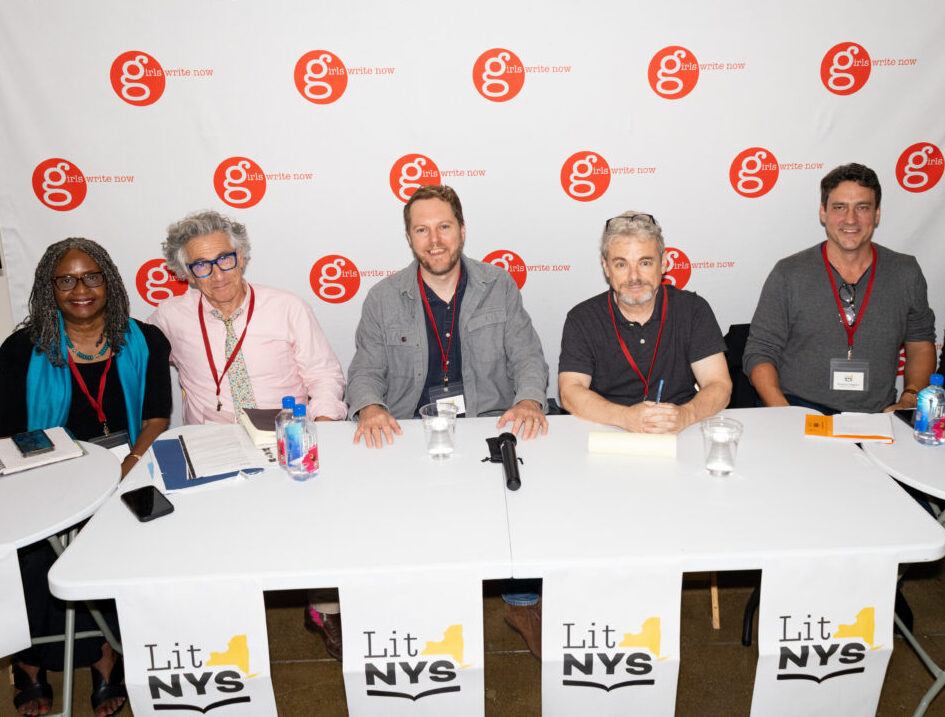
As I was a high schooler during the COVID-19 pandemic, being part of the literary organization, Girls Write Now, allowed me to discover my passion for writing and connect with others despite the isolation of social distancing.
When New York middle and high school students reported lowered literacy abilities, the Brooklyn-based nonprofit READ 718 persisted in providing one-on-one tutoring to low-income children. This is crucial as in a disturbing trend that rapidly accelerated during the era of online schooling, students have been shown to perform considerably poorer on reading comprehension standardized testing compared to previous generations.
The gaps between the lowest and highest performing students have become considerably wider. Students across the country overwhelmingly demonstrated struggles to learn amid online schooling and in the coming years, schools have been playing catch up with lost time.
But, the nationwide literary organization Pen America continues to track and report book bans in addition to fighting the arduous legal battle against them.
Yet, things aren’t all sunshine and roses from then on.
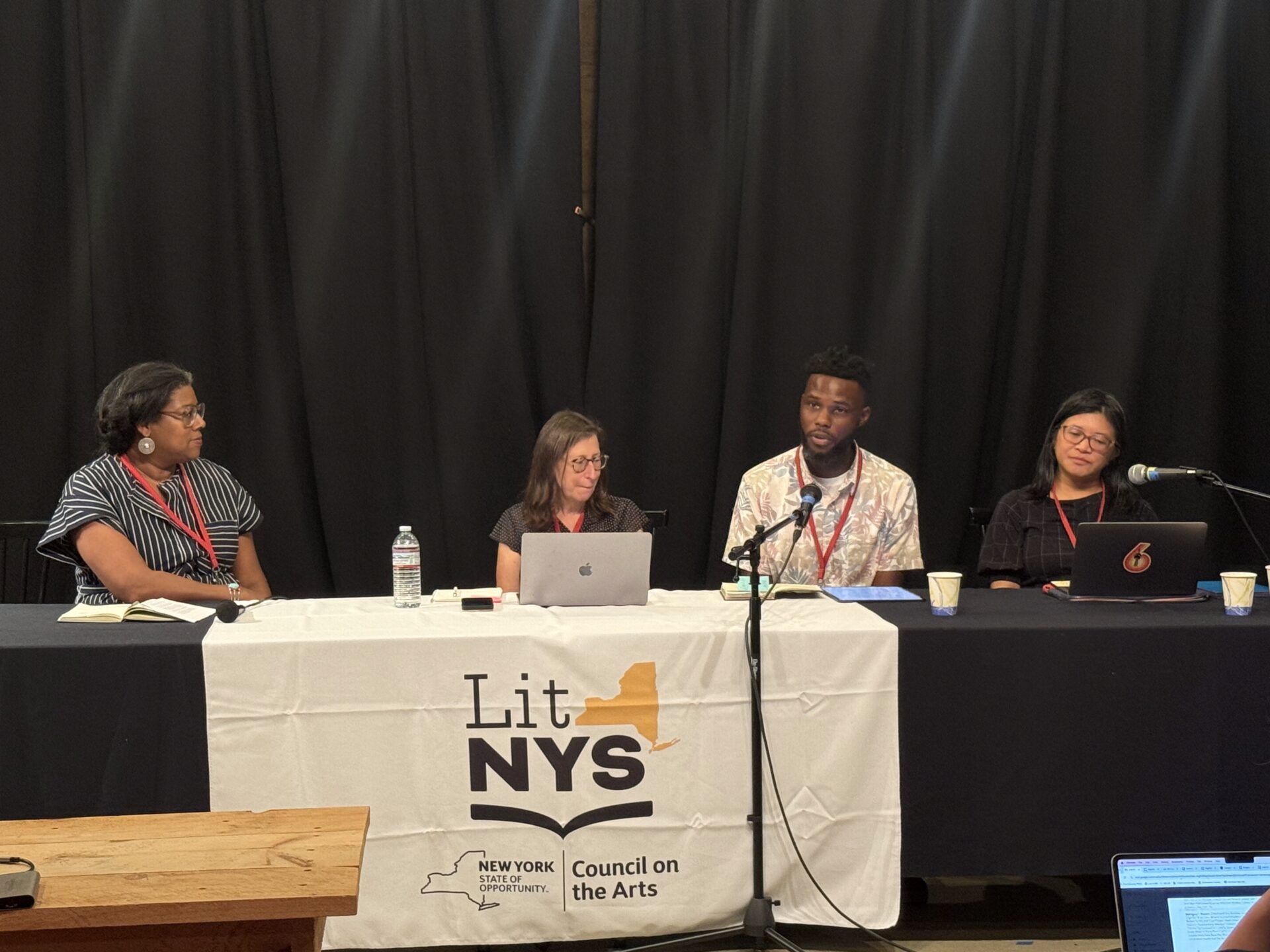
When I attended the New York State Literary Arts Convening, I learned about the stark reality and struggles that literary organizations are facing today, and I felt as if the literary world around me was crumbling.
I learned how the work of these unspoken literary heroes often goes unnoticed and underfunded. 87% have budgets of 1 million or less, numbers that pale in comparison to the funding required to maintain their lasting impact. Bureaucracy issues also impede their mission, limiting their ability to work and schools and libraries.
With the majority of the nation’s literary organizations based in New York, the issues that these literary organizations face spell danger for the work of literary organizations across the rest of the country.
The work of literary organizations provided me with a beacon of hope. But, with the lack of support for local and nationwide literary organizations, these struggles my generation is facing are only getting worse. And these struggles of today’s literary landscape disproportionately affect low-income children of color.
Solving today’s issues must entail recognizing and tackling all facets of this problem. If we ever want to make progress, our work needs to include recognizing and supporting the work of literary organizations.
In a world with attention spans as short as TikTok clips, it is so important to recognize the important work of literary organizations and come together to support their missions as best we can. The future of literacy depends on it.
Christiane Calixte is a Brooklyn-based Caribbean American freelance writer and public speaker studying Creative Writing at Columbia University. She is…
Visit Profile