This holiday season, you can secure our work with a gift at girlswritenow.org/bridging-divides.
  • News
  • Ten Books From Across Indigenous America

Ten Books From Across Indigenous America

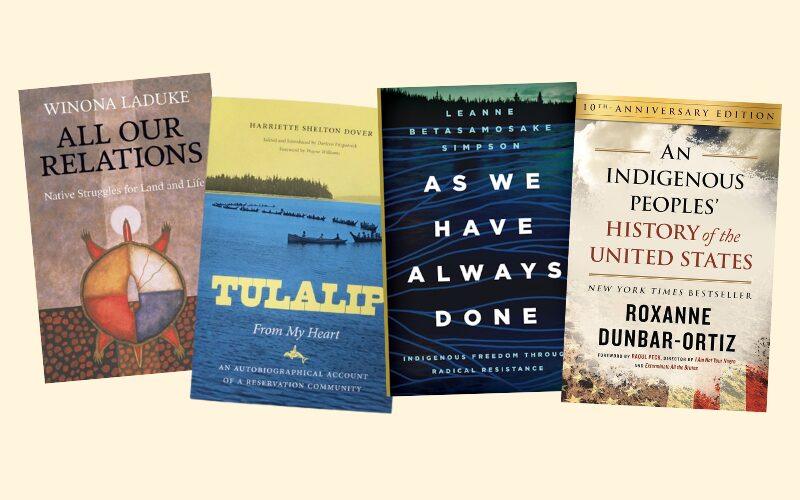
covers of 4 books: all our relations, tulalip, as we have always done, an indigenous people's history
Girls Write Now
By Girls Write Now
This Thanksgiving and during Native American Heritage Month, explore these ten books featuring women and queer authors telling the stories and histories of Indigenous peoples.

Every day, our community shows the power of storytelling to advocate for marginalized people and open minds to the incredible diversity of our world. These ten books take us across Turtle Island to show the many faces and cultures of Indigenous America. We hope these books inspire you to dive deeper into these histories and to engage meaningfully with Indigenous communities today.

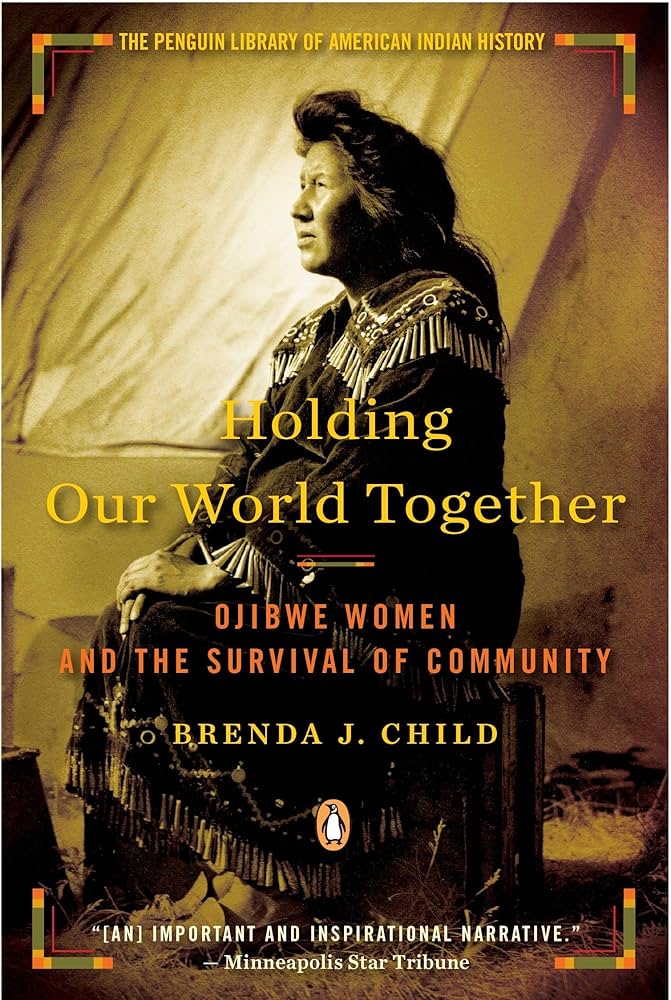
Holding Our World Together: Ojibwe Women and the Survival of Community

By Brenda J. Child

In this well-researched and deeply felt account, Brenda J. Child, a professor and a member of the Red Lake Ojibwe tribe, gives Native American women their due, detailing the many ways in which they have shaped Native American life. She illuminates the lives of women such as Madeleine Cadotte, who became a powerful mediator between her people and European fur traders, and Gertrude Buckanaga, whose postwar community activism in Minneapolis helped bring many Indian families out of poverty.
holding our world together book cover

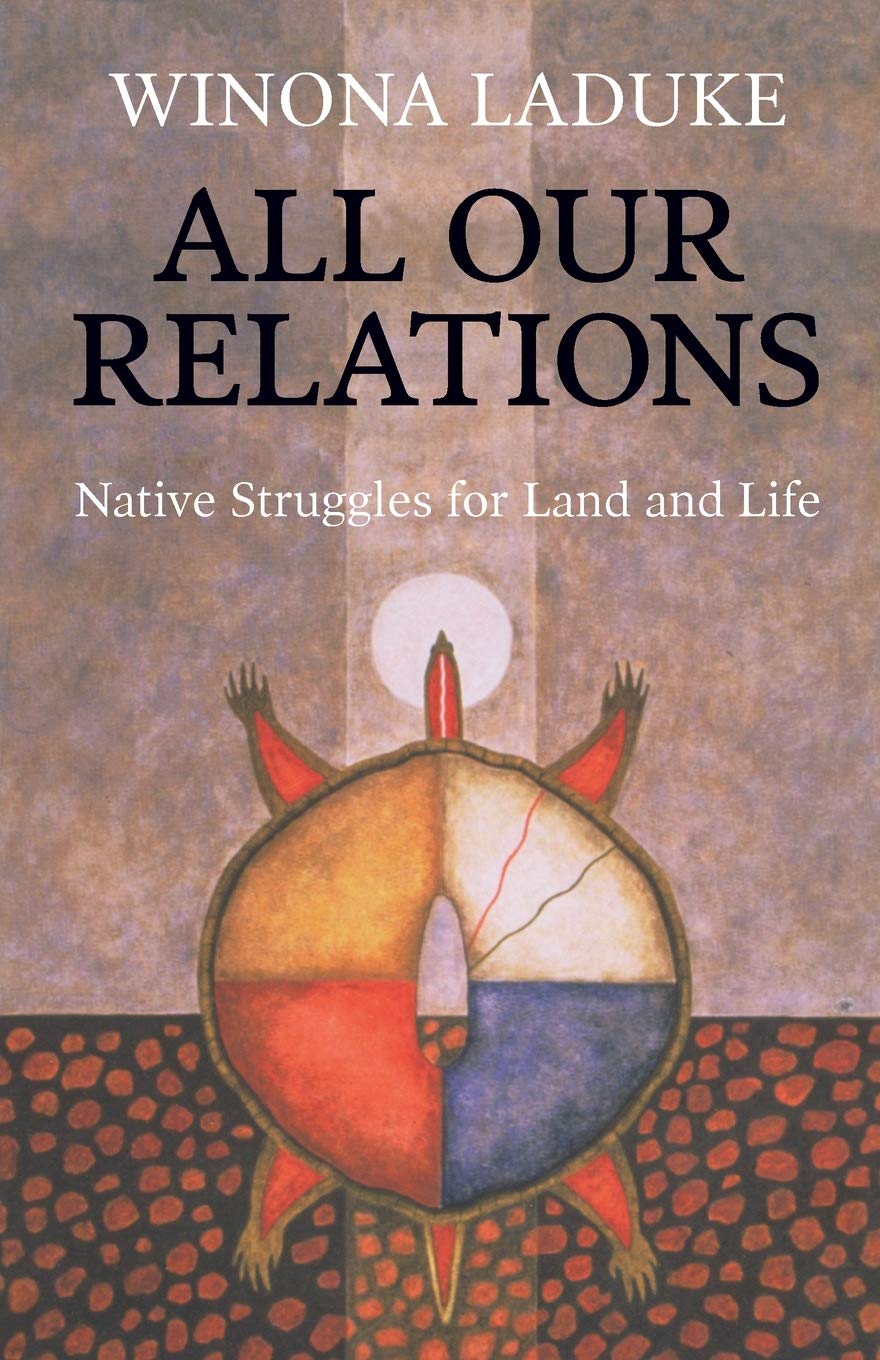
All Our Relations: Native Struggles for Land and Life

By Winona LaDuke

Haymarket Books proudly brings back into print Winona LaDuke’s seminal work of Native resistance to oppression. This thoughtful, in-depth account of Native struggles against environmental and cultural degradation features chapters on the Seminoles, the Anishinaabeg, the Innu, the Northern Cheyenne, and the Mohawks, among others. Filled with inspiring testimonies of struggles for survival, each page of this volume speaks forcefully for self-determination and community.

all our relations by winona laduke

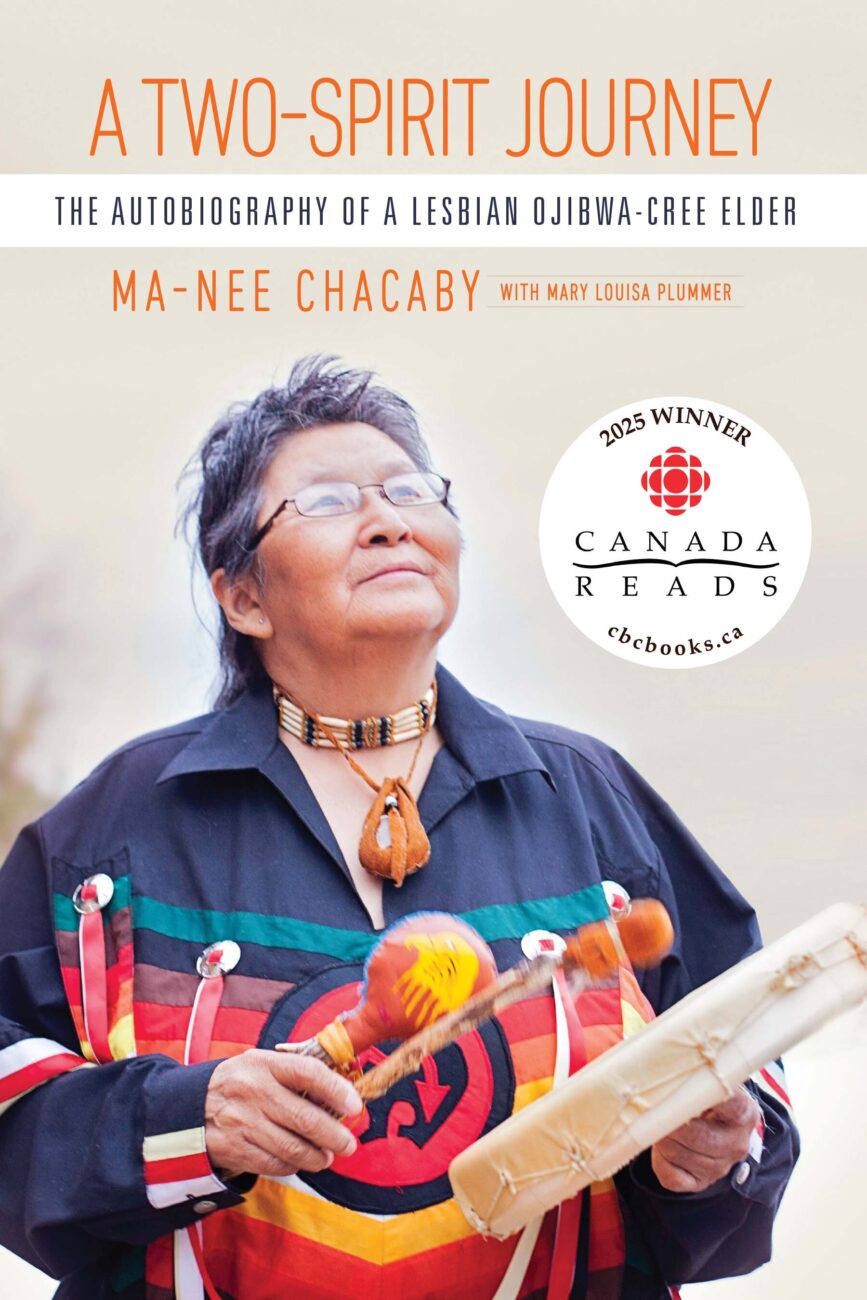
A Two-Spirit Journey: The Autobiography of a Lesbian Ojibwa-Cree Elder

By Ma-nee Chacaby with Mary Louisa Plummer

From her early, often harrowing memories of life and abuse in a remote Ojibwa community, Ma-Nee Chacaby’s extraordinary story is one of enduring and ultimately overcoming the social and economic legacies of colonialism.

A Two-Spirit Journey The Autobiography of a Lesbian Ojibwa-Cree Elder

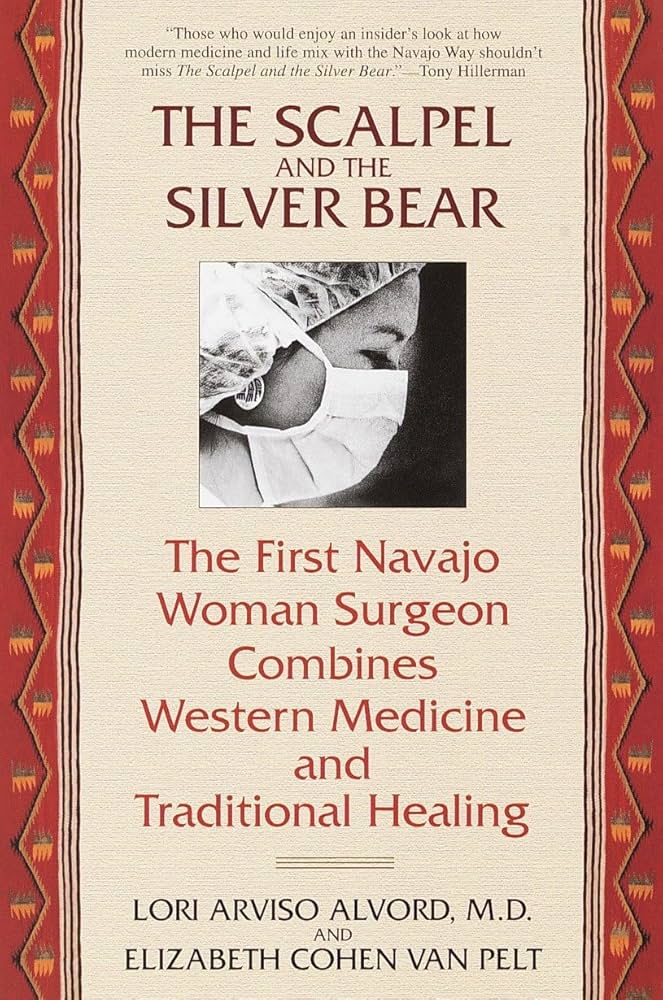
The Scalpel and the Silver Bear: The First Navajo Woman Surgeon Combines Western Medicine and Traditional Healing

By Lori Alvord & Elizabeth Cohen Van Pelt

A spellbinding journey between two worlds, this remarkable book describes surgeon Lori Arviso Alvord’s struggles to bring modern medicine to the Navajo reservation in Gallup, New Mexico and to bring the values of her people to a medical care system in danger of losing its heart.

the scalpel and the silver bear book

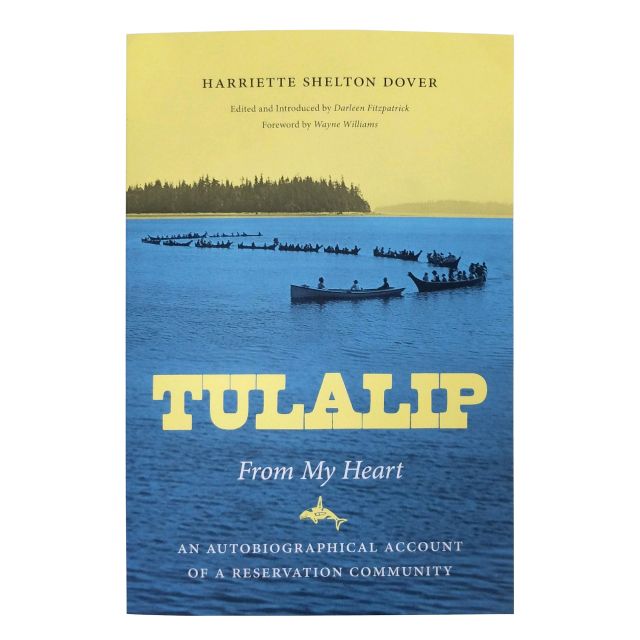
Tulalip, From My Heart: An Autobiographical Account of a Reservation Community

By Harriette Shelton Dover

Harriette Shelton Dover was an influential leader of the Tulalip Indians. The daughter of Chief William Shelton, a noted totem pole carver, she served on the Tulalip Tribal Council and later as a tribal chairperson. Over a period of ten years, she worked with anthropologist Darleen Fitzpatrick to record her memories of Tulalip tribal history, including the signing of the Treaty of Point Elliot in 1855, and her own life story, including a vivid description of her years at the Tulalip Indian Boarding School.

tulalip-from-my-heart-an-autobiographical-account-of-a-reservation-community-by-harriette-shelton-dover

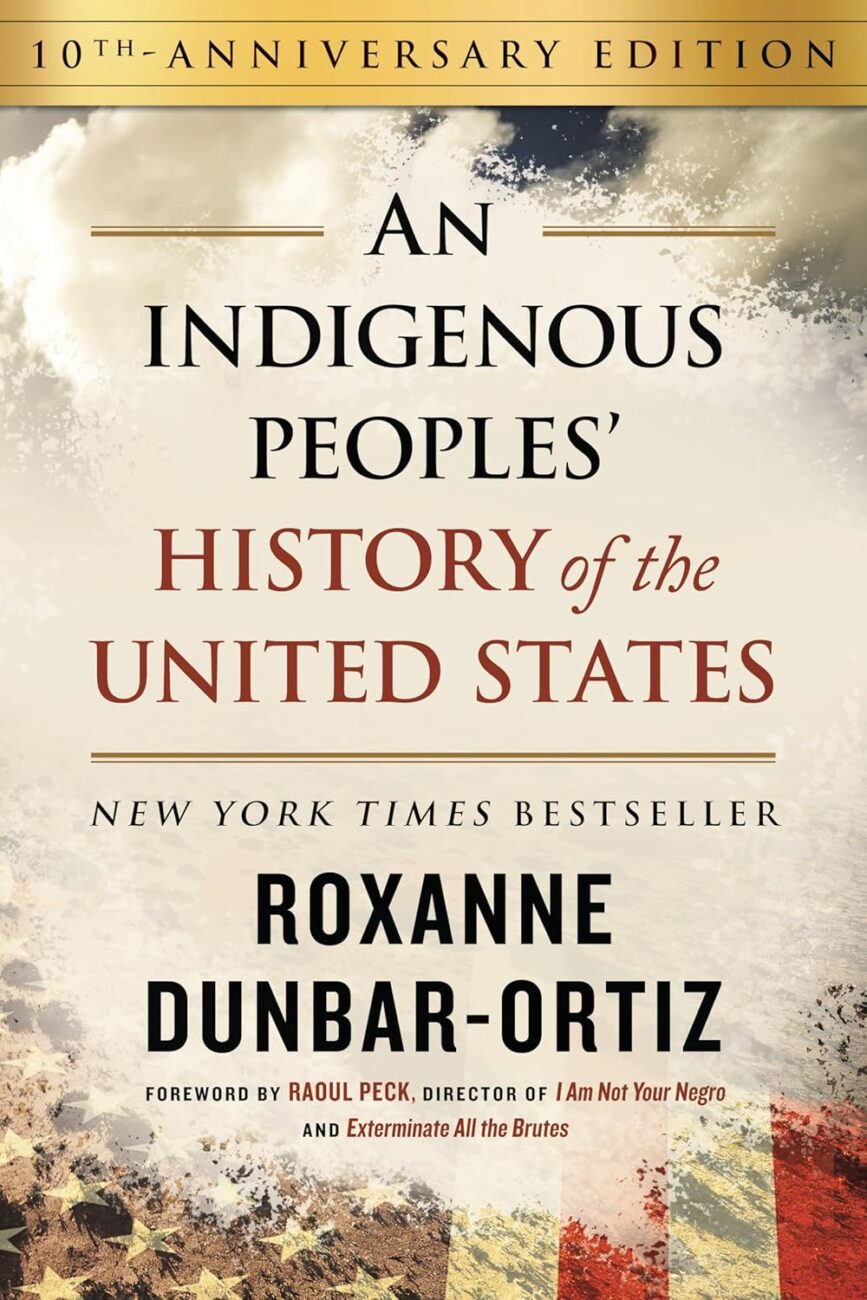
An Indigenous Peoples' History of the United States

By Roxanne Dunbar-Ortiz

Today in the United States, there are more than five hundred federally recognized Indigenous nations comprising nearly three million people, descendants of the fifteen million Native people who once inhabited this land. The centuries-long genocidal program of the US settler-colonial regimen has largely been omitted from history. With a new foreword from Raoul Peck and a new introduction from Dunbar Ortiz, this classic bottom-up peoples’ history explodes the silences that have haunted our national narrative.

an indigenous peoples history of the us

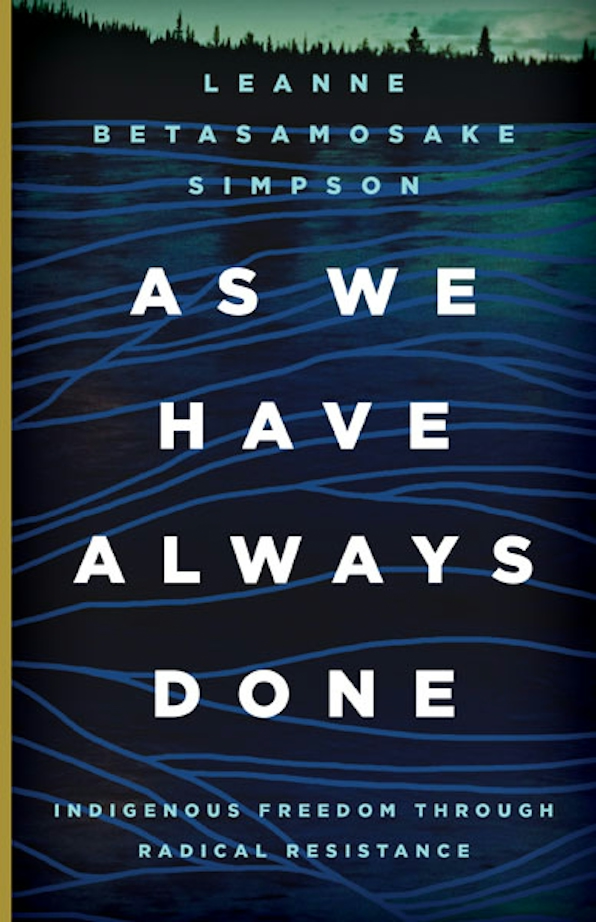
As We Have Always Done: Indigenous Freedom through Radical Resistance

By Leanne Betasamosake Simpson

Across North America, Indigenous acts of resistance have in recent years opposed the removal of federal protections for forests and waterways in Indigenous lands, halted the expansion of tar sands extraction and the pipeline construction at Standing Rock, and demanded justice for murdered and missing Indigenous women. In As We Have Always Done, Leanne Betasamosake Simpson locates Indigenous political resurgence as a practice rooted in uniquely Indigenous theorizing, writing, organizing, and thinking.

as we have always done book

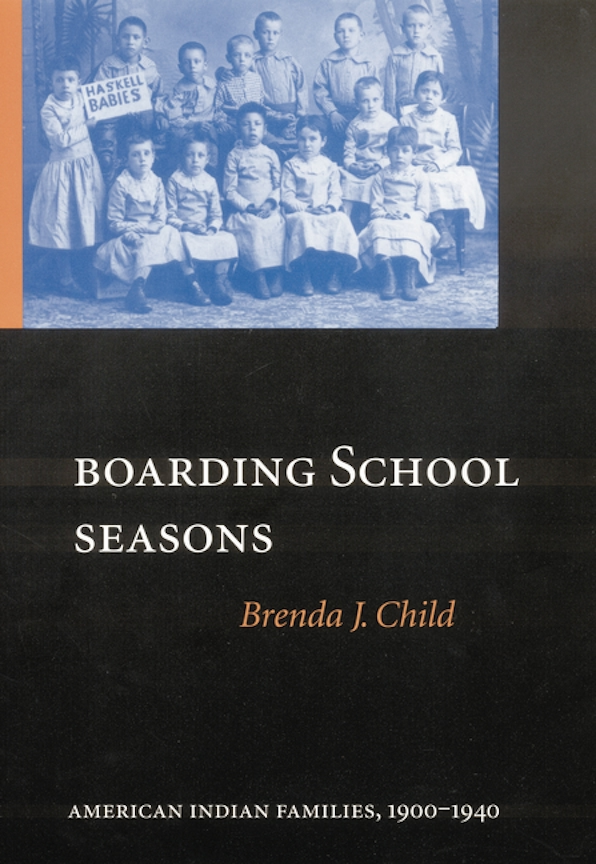
Boarding School Seasons

By Brenda J. Child

Boarding School Seasons offers a revealing look at the strong emotional history of Indian boarding school experiences in the first half of the twentieth century. At the heart of this book are the hundreds of letters written by parents, children, and school officials at Haskell Institute in Kansas and the Flandreau School in South Dakota. These revealing letters show how profoundly entire families were affected by their experiences.

boarding school seasons by brenda j child

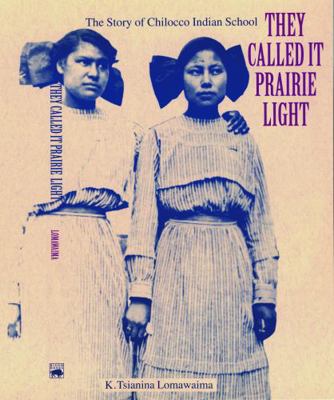
They Called It Prairie Light: The Story of Chilocco Indian School

By K. Tsianina Lomawaima

Established in 1884 and operative for nearly a century, the Chilocco Indian School in Oklahoma was one of a series of off-reservation boarding schools intended to assimilate American Indian children into mainstream American life. Critics have characterized the schools as destroyers of Indian communities and cultures, but the reality that K. Tsianina Lomawaima discloses was much more complex. Lomawaima allows the Chilocco students to speak for themselves. In recollections juxtaposed against the official records of racist ideology and repressive practice, students from the 1920s and 1930s recall their loneliness and demoralization but also remember with pride the love and mutual support binding them together—the forging of new pan-Indian identities and reinforcement of old tribal ones.

they called it prairie light

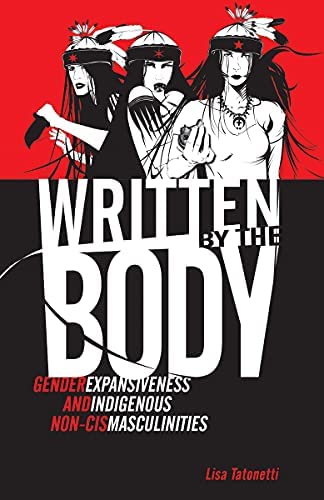
Written by the Body: Gender Expansiveness and Indigenous Non-Cis Masculinities

By Lisa Tatonetti

Within Native American and Indigenous studies, the rise of Indigenous masculinities has engendered both productive conversations and critiques. Lisa Tatonetti intervenes in this conversation with Written by the Body by centering how female, queer, and/or Two-Spirit Indigenous people take up or refute masculinity, and, in the process, offer more expansive understandings of gender.

written by the body cover
0
Girls Write Now

For 25 years, Girls Write Now has been breaking down barriers of gender, race, age and poverty to mentor the…

Visit Profile
0