Famesick. Writing Cures.
Read Me Closely: Lena Dunham's Famesick Story Collection
In partnership with Lena Dunham and Random House, Girls Write Now invited our community to write their way to wellness. We are proud to share the contest winners in a new story collection.
In her memoir Famesick, Lena Dunham asks herself a difficult question: What has the cost of fulfilling her dreams really been, and was it worth it? She discovers that while the fever of being seen by the world can make us feel famesick—fragmented, exhausted, or lost—there is a deeper, more lasting relief found in writing. Inspired by Lena’s book, the mentees of Girls Write Now write about the state of internal reconnection that happens when we learn to live with what we cannot change, turn our regrets into wisdom, and return to what, and who, we love.

A Word From Lena
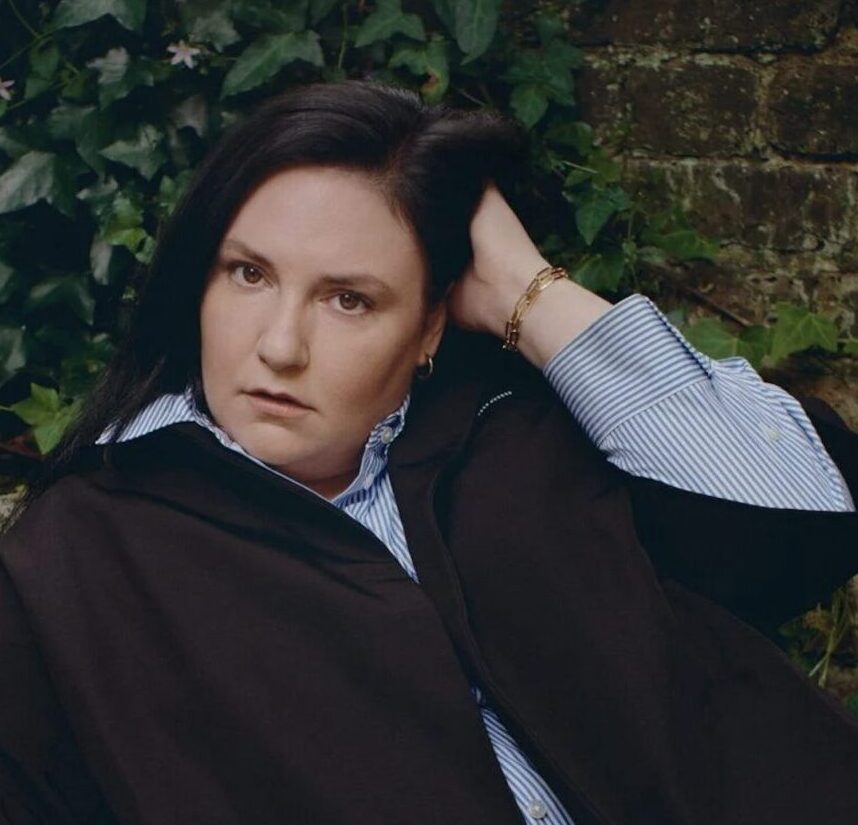
Grand Prize Winner
someday i'll love
By Ariel Zhang
i.
at the suicide crisis lifeline, maria answers
my life. maria says hello and asks for my name.
i give her the name of my favorite book character
when i was 11. before maria begins typing, i’m rolling my eyes
because i know she’s searching through a 50-paged document
in 12-point times new roman font, given to her by some establishment
larger than the both of us, to find a response to copy and paste.

Up & Down
By Izzy Ster
Trapped on this Seesaw of Psychosis, I would hurdle rather than carefully tip into these two versions of myself. Up Me would ace tests without studying for them, while Down Me would cry to Fleetwood Mac’s Rumours until my pillowcase was wet enough for me to wring it out like a towel. Even worse would be when I would stare at the ceiling, losing myself in the glow-in-the-dark star stickers, and feel empty.

The Reconciliation Room
By Maura Cleary
Confession is to obsessive-compulsive disorder as an emergency appendectomy is to a hypochondriac’s unrelenting stomachache: it feels like the only solution to a problem whose true cause may never be known.
Of course, OCD is no tummy ache. It may actually be more comparable to appendicitis itself. (Not that I would know, I’ve only had appendicitis a few dozen times. And by that metric alone, I have chronic OCD.) With confession comes relief, albeit briefly, to rescue us from the torment of our own brains. We eagerly await the reassurance that our taboo thoughts are ridiculous, and we are moral, or clean, or not closeted perverts. And that reassurance hits like smoking on airplanes probably did: an addictive headrush, accompanied by a stale odor permeating a stifling space and the ever-present threat of long-term complications.

But You Don't Look Autistic
By Kylie Lohse
Masking was exhausting and anxiety-inducing, yet almost addicting as I couldn’t seem to find the strings to pull the mask off. Before I knew it, I was having panic attacks in a Target dressing room (yes, this is where I had my first panic attack) and attending therapy sessions every Wednesday after school.
For years, I was very good at being fine.
For years, I was very good at being fine. I had refined it into something close to an art form.
Fine showed up early, dressed well, answered emails same-day. Fine laughed at the right moments in meetings and said no, really, I’m good with the particular warmth that made people believe it. Fine had learned, somewhere back in the blur of growing up, that distress was a tax you levied on others — that needing something was a kind of rudeness.
What fine was covering: a low, constant hum of anxiety that I had started to mistake for my personality. The sense that I was always one miscalculation away from being found out, though I couldn’t have told you what, exactly, would be found. An exhaustion that sleep didn’t fix. The way I would sit in a crowded room and feel like I was watching it through glass.