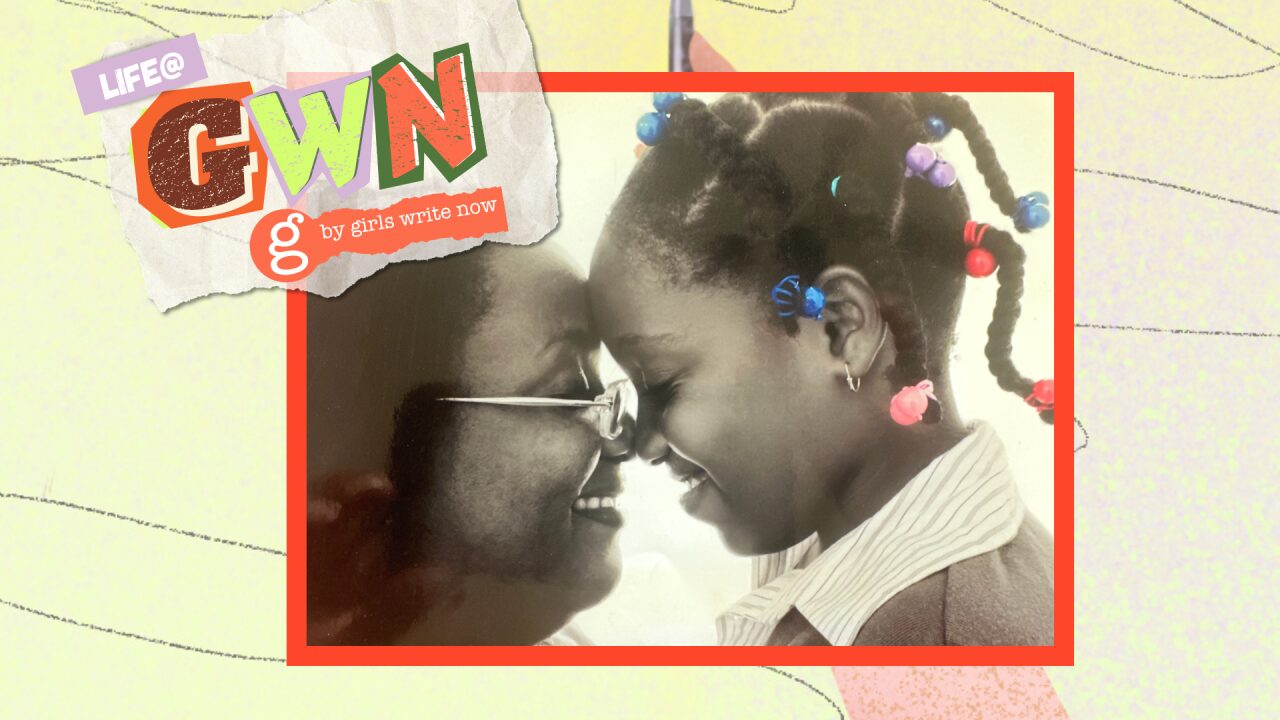
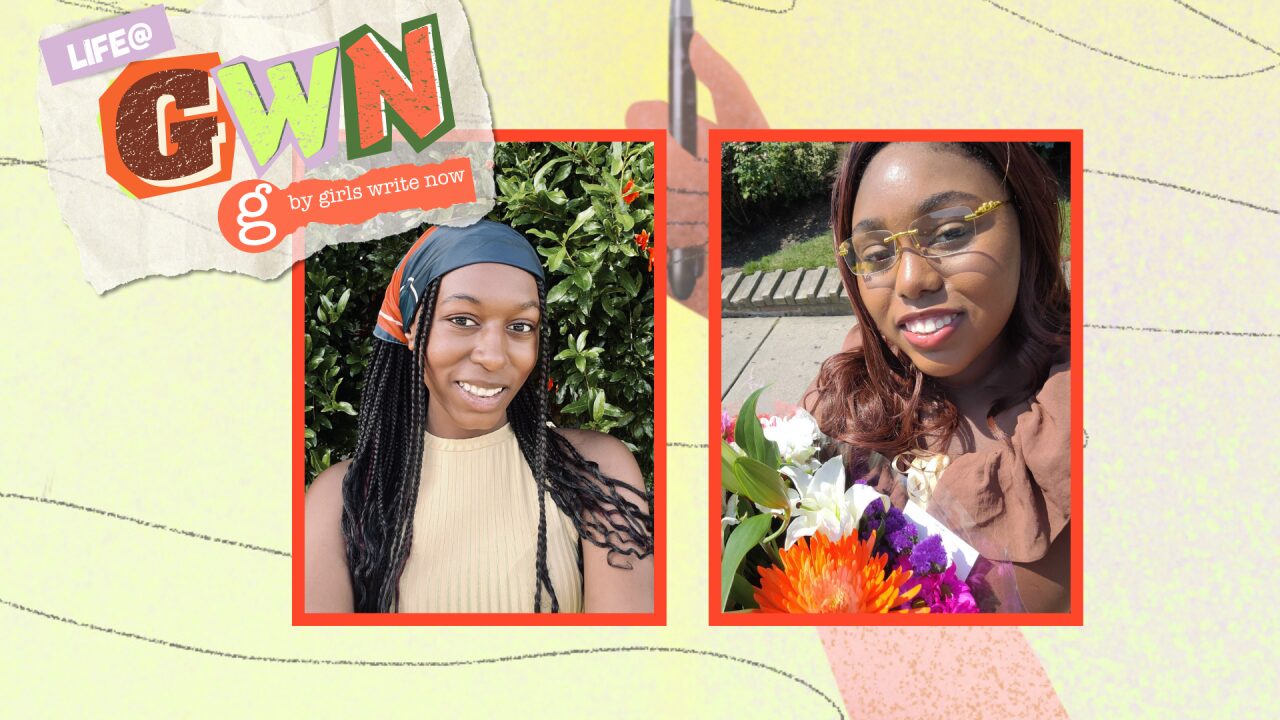
“My dad taught me how to be curious…” Bruce Morrow & Tenzin Gund-Morrow’s Life@GWN
By Girls Write Now
Share
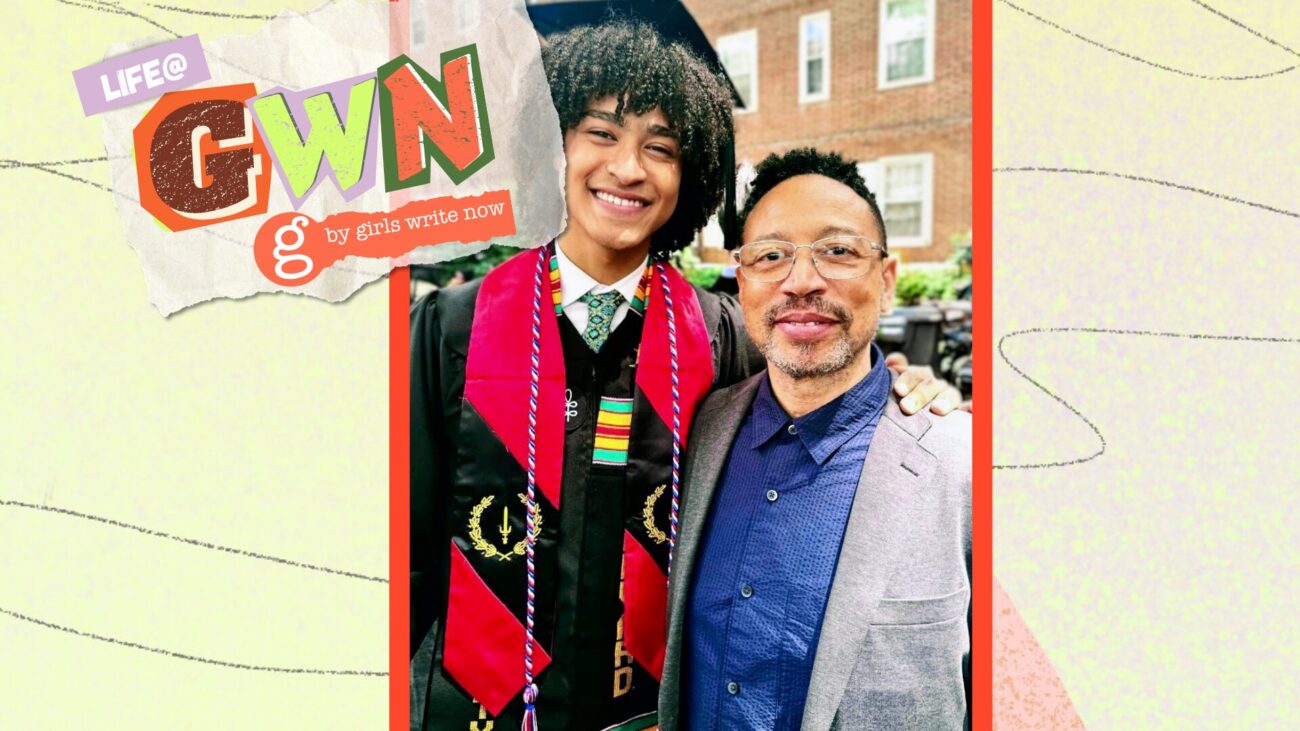
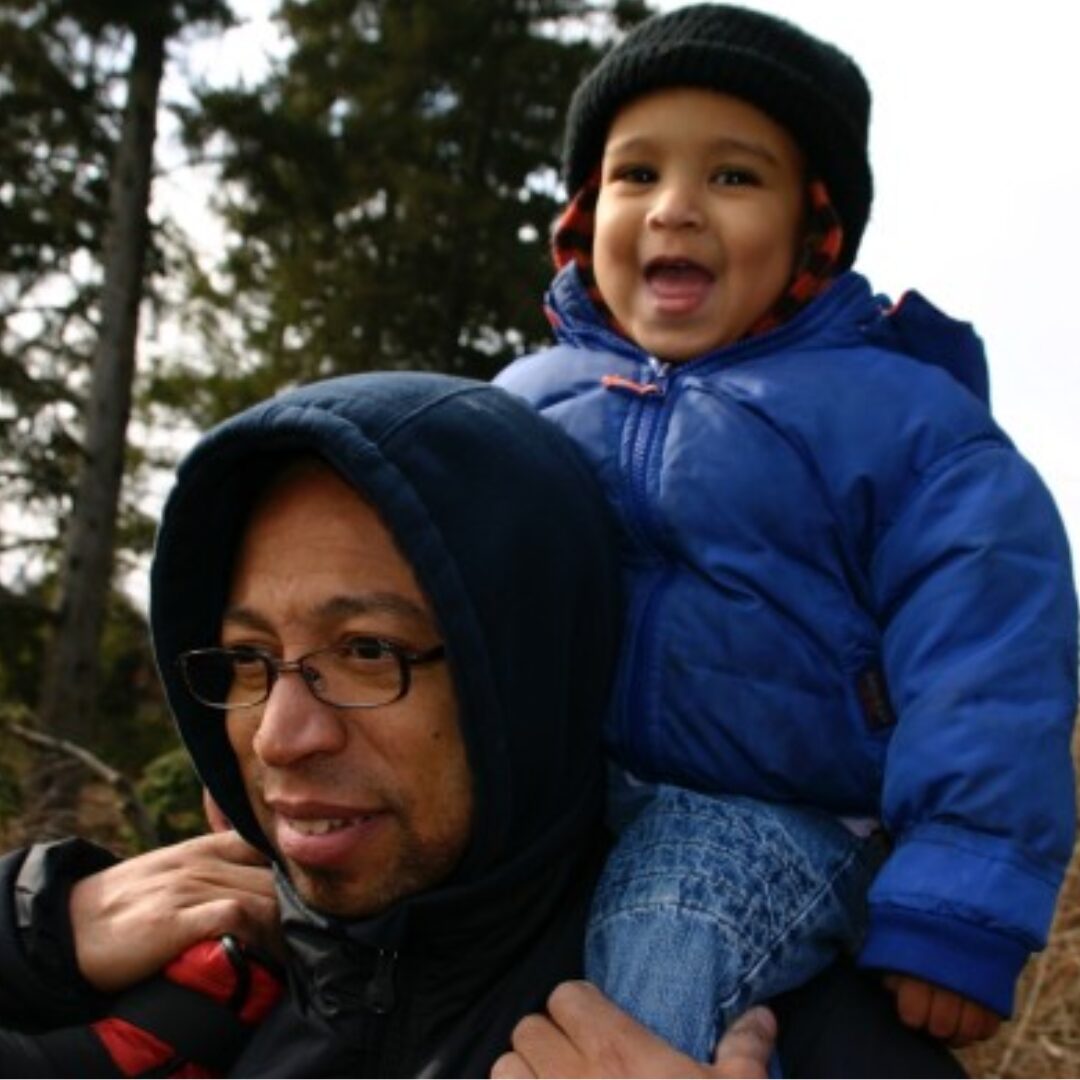
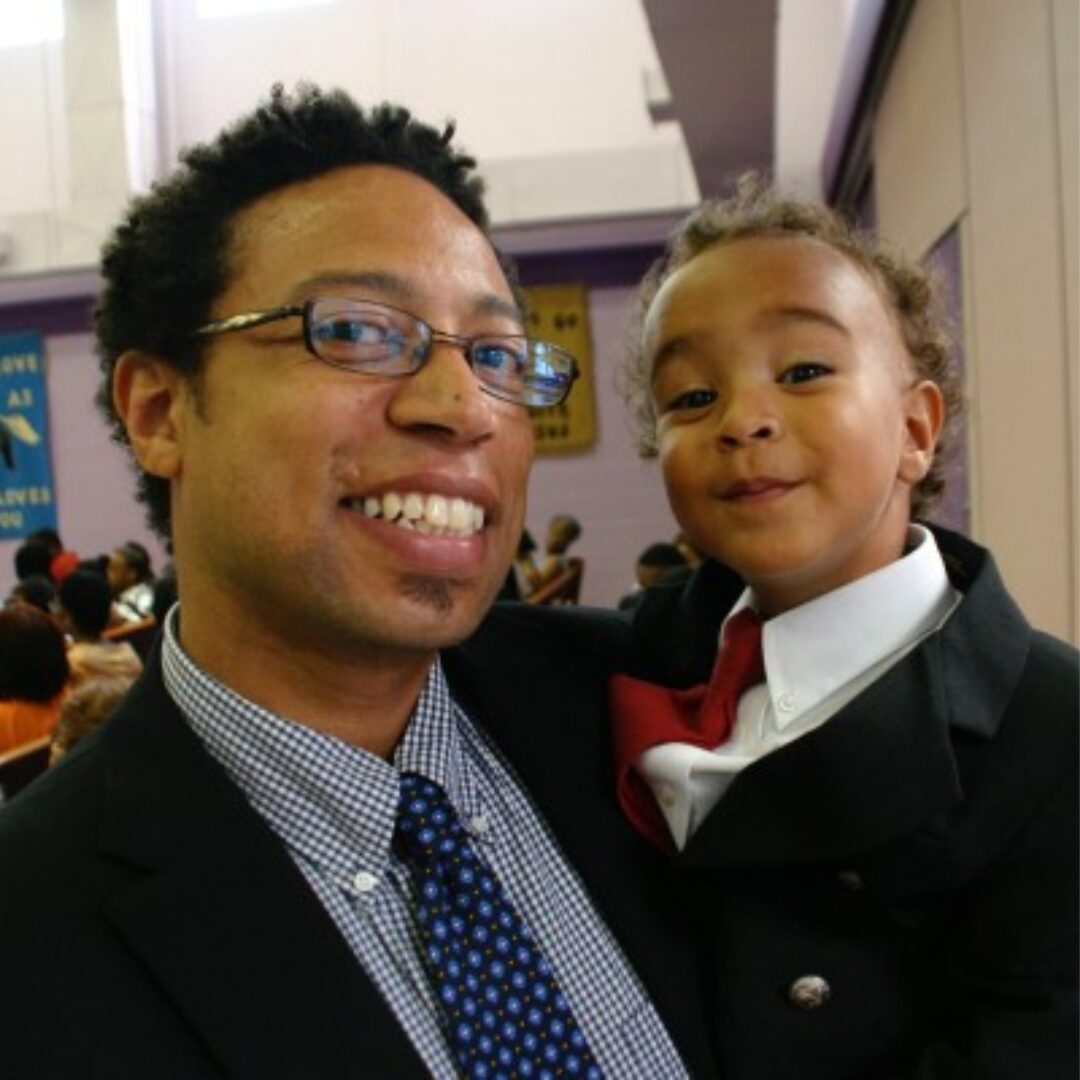
Fathers are some of our first teachers, and the best students learn by asking questions. For Tenzin Gund-Morrow, the son of Girls Write Now board member Bruce Morrow, his dad gave every early curiosity somewhere to go—from ballet classes at age three to isolating strawberry DNA at science camp. That same curiosity had shaped Bruce’s own path: a molecular biologist before earning an MFA, he became an editor, writer, and literary “super-connector” with a gift for building bridges where others see walls—a spirit he brought to Girls Write Now in its earliest days and still champions as a board member today.
Not every young writer has a Bruce in their corner. That’s what Girls Write Now is here to be—an intergenerational community where mentors and emerging writers grow side by side, and learning flows in both directions. The best students learn by asking questions; so do the best teachers. Please join us in keeping that exchange alive for the next generation of creators and leaders the world needs now.
Now Tenzin carries forward the spirit Bruce sparked in him. A recent graduate of Harvard University—where he advocated for writing, built community, and took responsibility for the world he wants to live in—he follows in the footsteps of his grandmother, the late Agnes Gund, a longtime supporter of Girls Write Now.
In a special edition of Life@GWN, Bruce and Tenzin come together to share the memories they carry with them—and how writing has helped them make sense of the world each step of the way. Enjoy the interview!
Bruce, tell us about your Life@ Girls Write Now.
Bruce: Girls Write Now used to have a single desk in my office at Teachers & Writers Collaborative. It was just Maya, doing everything. But soon she had a few people working with her, a few more desks in my office, and then an office of her own. We were so proud as she moved into her own space not far from T&W—and now I marvel at what she and the organization have built at a scale none of us could have imagined. Today, I sit on the Girls Write Now Board, and it’s so high-functioning, with every member contributing in their own significant way.
What’s your superpower? How does that inform the work you do at Girls Write Now?
Bruce: I think my son and Maya would describe me as a “super-connector.” I love connecting ideas to people, people to projects, projects to funders—all of it to outcomes that create real impact.
Tenzin, congratulations on your recent graduation from Harvard! At Girls Write Now, we focus on empowering young people to create change in their communities. How would you describe your activism? Tenzin: In college, my goal was always to be a bridge between the activists and the political institutions on campus. Freshman year, I organized a vigil for the first time after the killing of Tyre Nichols. I couldn’t sleep, and I felt so far from home, so I planned a gathering, designed fliers, requested megaphones, and emailed every relevant student organization before the sun came up. I finally had a community—one I was desperate not to lose. After that, I helped plan a panel with Gwen Carr, Eric Garner’s mother, and Selwyn Jones, George Floyd’s uncle, about grief and activism. With access to resources like the Institute of Politics at Harvard, I felt it was my responsibility to stand in that gap.
Your grandmother, Agnes Gund, was a generous supporter of Girls Write Now in her incredible philanthropic work. What role has family played in shaping your work?
Tenzin: I can only aspire to one day have an ounce of my grandmother’s loving, knowing, caring nature. She inspires me to never be numb, to never stop listening and learning from the world, and to never give up on the endless pursuit of justice. Nonna was a servant leader, and we need more people with hearts like hers. She showed me that pouring love into people doesn’t deplete your supply—it only expands the space in your heart.
What kind of legacy did your father leave for you, and how would you like to pass it on to the next generation? Tenzin: My dad taught me how to be curious. He’s always encouraged me to explore whatever interests me. When I was three, I was the only boy in my ballet class—he took me to classes and to see ballets at Lincoln Center, and we watched ballet DVDs and read books about dance. When I got into science, I went to camp at the Natural History Museum and isolated DNA from a strawberry. Curiosity is a desire to ask questions and figure things out. It’s learning for the sake of learning, and I got that from my dad. I’d want to pass it on the same way he did—not by telling someone what to be curious about, but by following them toward whatever they love.
The theme for our upcoming anthology is “Metamorphosis.” How has your writing or someone else’s transformed you? Bruce: I have an undergraduate degree in biology, and for seven years after college I did molecular biology research at Columbia University’s medical school. I was always a math, science, and tech nerd. But I’d taken a bunch of courses at Columbia, and people kept telling me I was a good writer. Eventually, I got an MFA in Creative Writing there, and I started editing a literary magazine, publishing stories and essays, and working with literary nonprofits.
Tenzin: Writing transformed me because it set me free as a young person. At first, reading and writing were my Achilles’ heel. I have dyslexia, and until I was diagnosed in fifth grade, I thought I’d never truly master either one. But an incredible teacher named Leanna Phipps—my first Black teacher in elementary or middle school—both spotted my learning disability and taught me to love books and cherish stories. She changed my life, and she activated my transformation from a student just trying to pull through into an infinitely curious lover of words. I still love Roll of Thunder, Hear My Cry, because it was the book we were reading when I first felt the power of a beautiful story channeled through the page.
Describe each other in three memories and/or in three adjectives. Bruce: Hallelujah, sung by Leonard Cohen or Beyoncé.
A triple-layer carrot cake with walnuts, fresh figs, apricot compote, and sour cream icing.
Late-night squidding off a pier in Provincetown.
Tenzin: The first that comes to mind is his unending appetite for NPR. On weekends, we listened with such consistency that, even during the pledge drives, we’d spend a good five or six hours hearing the asks over and over—”You can get a tote bag or a new can of coffee if you donate today.” He was and still is a proud lover of public radio.
The second is the brilliant, inscrutable face he makes when editing writing. It’s a specific turn of the head and scrunch of the brow, followed by an all-knowing, bright smile, then an almost hesitant look. He’s a perfectionist, so I can only show him my writing when I’m ready to spend the next month reworking it. But he taught me the best lessons—killing my darlings, finding the right metaphor—from a very young age.
Last, he takes pictures of everything, even the most random things. There are the usual parent photos—me, his friends, my cousins—but he also photographs strangers. He’ll stop them in the street. He’ll photograph an empty park bench. He’s always looking for a second perspective on the shot, too. It’s an awesome sort of auto-archive.
Lightning Round…
Are you a morning person or a night owl? Bruce: A morning person when I’m writing, a night person when I’m doing photography.
Tenzin: A night owl—and my dad’s a morning person. I’m always reminding him that people should organize their lives around their natural clock. I tried never to schedule a class before 10:30 AM in college.
Coffee or tea? Bruce: Two cups of coffee per day, max.
Tenzin: Matcha.
What’s your go-to guilty pleasure when you’re treating yourself? Bruce: Dark chocolate with hazelnuts! Can’t stop.
Tenzin: I LOVE to bake! My favorite celebrity is Claire Saffitz—the Gourmet Makes chef who started at Bon Appétit and now has her own thing. Such a fan. Her flourless chocolate cake is my number-one guilty pleasure.
What’s the best book you’ve read recently? Bruce:Stuck: How the Privileged and the Propertied Broke the Engine of American Opportunity, which explores the history of zoning in urban development. As is so often the case in U.S. history, these practices have roots in racism.
Tenzin: Two I’ve loved recently—both favorites of my dad’s—are Trust by Hernán Díaz and The God of Small Things by Arundhati Roy. They’re both family epics dealing with contested memory. I highly recommend.
What’s the best place you’ve traveled to? Bruce: I recently traveled to West Africa, visiting Senegal and Nigeria. It was an incredible experience—the amazement of being in majority-Black countries, and the weight of really feeling the rupture of the transatlantic slave trade.
Tenzin: When I was little, we went to the Galápagos Islands. I was too young to realize how incredible it was to see blue-footed boobies up close—the birds weren’t afraid of people, so we could just walk right up and watch them. But I loved Provincetown even more: every summer at the same hotel, with the same pool and the same low tide, where we could walk out a mile and collect hermit crabs, touch starfish, and go whale watching.
0
0
Girls Write Now
For 25 years, Girls Write Now has been breaking down barriers of gender, race, age and poverty to mentor the…