

- Community Studios
Writing the Future in a Changing Climate
In this session, participants will learn about artifacts from the future. They will read a fictional letter from the future and create their own artifact and headline from the future.
In this session, participants will learn about artifacts from the future. They will read a fictional letter from the future and create their own artifact and headline from the future.

Through the Eyes of a Child: What does it mean to write from the child’s perspective? Join this months studio to learn more as we explore Childhood in Culture!

Learn about the 2026 Print Anthology and join the editorial committee! Discover how the book is produced and learn about the different roles you’ll play as an important member of this group.

Friendship isn’t always how it is in the movies or social media. Join us for a discussion on how we manage and cherish our real-life friendships.
This Open Mic is a space to connect with other artists and creators through poetry, song, and overall storytelling. Whether you want to perform a piece you’ve written, something you love (but didn’t write), or just soak it all in, you’re welcome here. December’s Open Mic will be holiday themed!
During this session, we’ll immerse ourselves in the world of artistic expression by learning about how artists use physical utensils (pen/paper/color) and digital art platforms (such as Canva, Krita, or another digital art platform of choice) to give form to fears, hopes, and experiences. First, we will observe and discuss a few art pieces. Following this, participants will engage in a drawing activity of their own.
In this session, we will deepen the connection between observation and emotional processing, showing how noticing external details can clarify internal feelings. We’ll also address the mental health benefits of this approach, including grounding, reduced stress, and clearer emotional understanding.
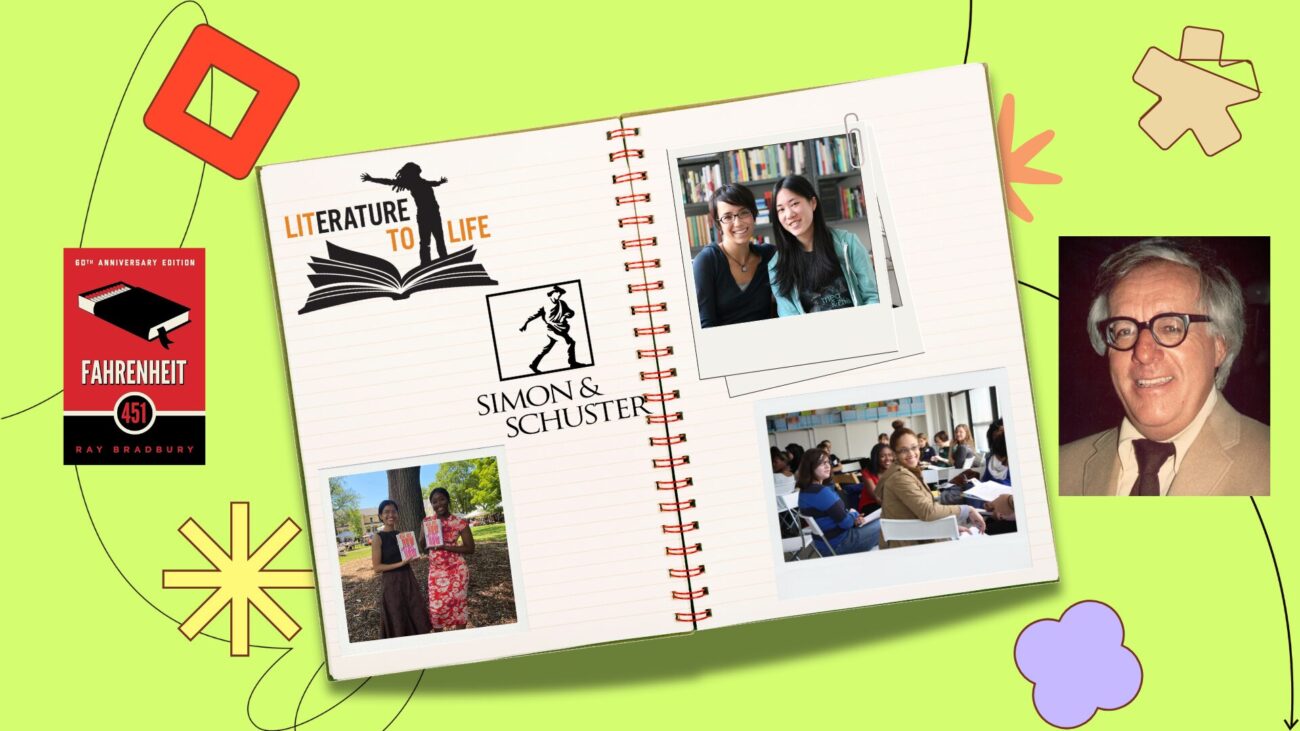
Literature to Life in partnership with Girls Write Now presents Fahrenheit 451.
This classic American dystopian novel presents a frightening vision of the future: where firemen don’t extinguish fires, they start them in order to burn books. Actor Rich Orlow tells the story through protagonist Guy Montag’s eyes, seamlessly transforming into five other key characters. Bradbury’s vision of a society awash in information yet devoid of critical thought offers audiences a sobering reflection of our own world, and a glimmer of hope for its future. This adaptation explores themes of censorship, knowledge, and conformity.
In this session we will continue to write from prompts, giving space for everyone to write and share their work. These prompts can inspire both personal narrative and fictional writing.
In this lesson, participants will explore the different “types” of writing with change and how they can optimize their chosen mode of writing.