“Basically, I could sum up my writing process as scribbles…” Asma Al-Masyabi’s Life@GWN

In the 2026 Spring Cycle of the Girls Write Now Collaboratory, mentees in the Art of the Profile Journey learned the nuts and bolts of journalism, feature writing, and interviewing from Girls Write Now teaching artist and award-winning broadcaster, podcast producer, and narrative executive Christabel Nsiah-Buadi. To put their new tools to the test, they submitted a profile of a member of the Girls Write Now community to Life@GWN. These are the stories of Girls Write Now, by Girls Write Now.
A Profile by Shrey Darji | Spring 2026 GWN Cycle
Asma Al-Masyabi, a GWN mentee and former intern, is a writer and artist based in Colorado. A graduate of University of Colorado Denver in Creative Writing, Asma has been featured in publications like The Cincinnati Review, and The Santa Clara Review, and won the Ruth Weiss Foundation Emerging Poet Award.
Asma’s creative process and journey is about persistence, trying again and again to find the piece that you like, not giving up in the face of rejection, and working to maintain internal motivation to create. Dive into this edition of Life@GWN to learn from Asma’s successes, insights, and even rejections—each serving a meaningful part of a creative’s journey.
Tell us about your life@GWN.
It’s kind of crazy looking back on it. I visited a GWN salon during the pandemic, and I’ve been a mentee ever since.
I’ve had two amazing mentors and a peer mentee who’s one of my favorite poet friends. I’ve been an intern, and I’ve hosted studios. It’s been an incredible ride.
What is it about your experience with GWN that gets you up in the morning?
The community values—I know whenever I meet a GWN mentor, mentee, or anyone who’s a part of the program, they’re always kind, interesting, and super creative. GWN helps me every day and invigorates that desire I think we all have for expressing ourselves creatively—for telling stories, and for hearing other people’s stories.
What is it about the GWN community that you find so special?
GWN has that feeling that, when you meet another mentor, mentee, or member, you have an automatic affinity with them—an appreciation of each person’s individual voice, an understanding of communal kindness, that we’re all here to enjoy creativity in each other’s company.
How do you incorporate writing and creativity into your life?
I work in marketing, and that involves a lot of design and writing, which tickles my brain. But outside of work, it is a practice to enjoy sitting down and writing—or making art because I am also an artist. It takes patience with myself to understand that, though sometimes it is difficult and outside of what I’m used to, I do it because I really want to do it long term.
What is the biggest or craziest dream you’ve achieved or are currently pursuing?
This might be the easy way out, but I think my biggest dream is always to be creative. I always wanted to be an artist. I always want to be a writer. I always want to be involved in that world. For the first time outside of school, two of my artworks were just accepted into galleries that I really look up to.
I’m always doing the hard things, and putting myself out there to achieve that dream of still being creative and connecting with other creatives. It takes a lot of persistence—sometimes it’s not even about the acceptance, but about how many rejections I can get. There are a lot of rejections. But that’s part of the journey, and that’s also part of the dream.
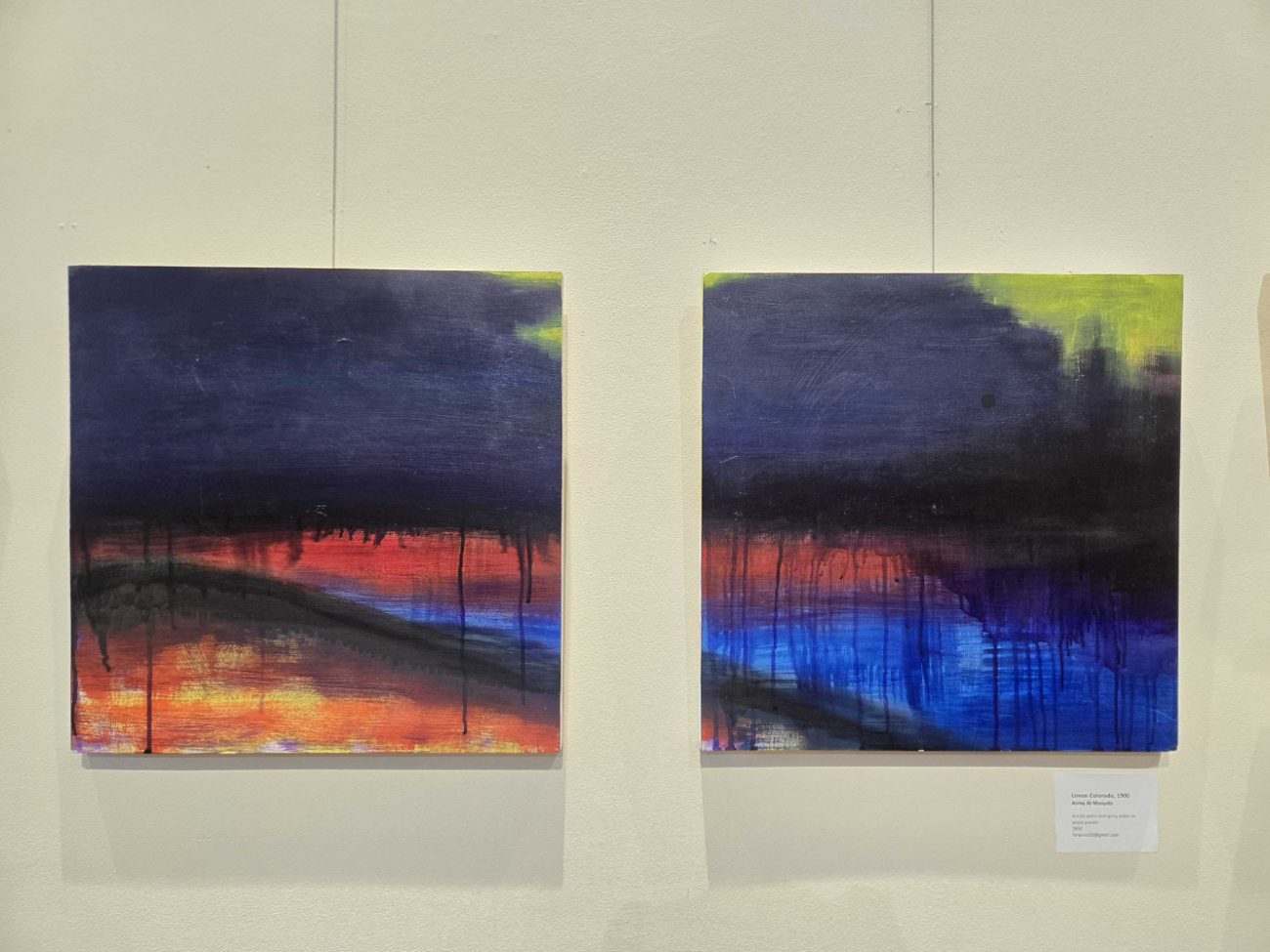
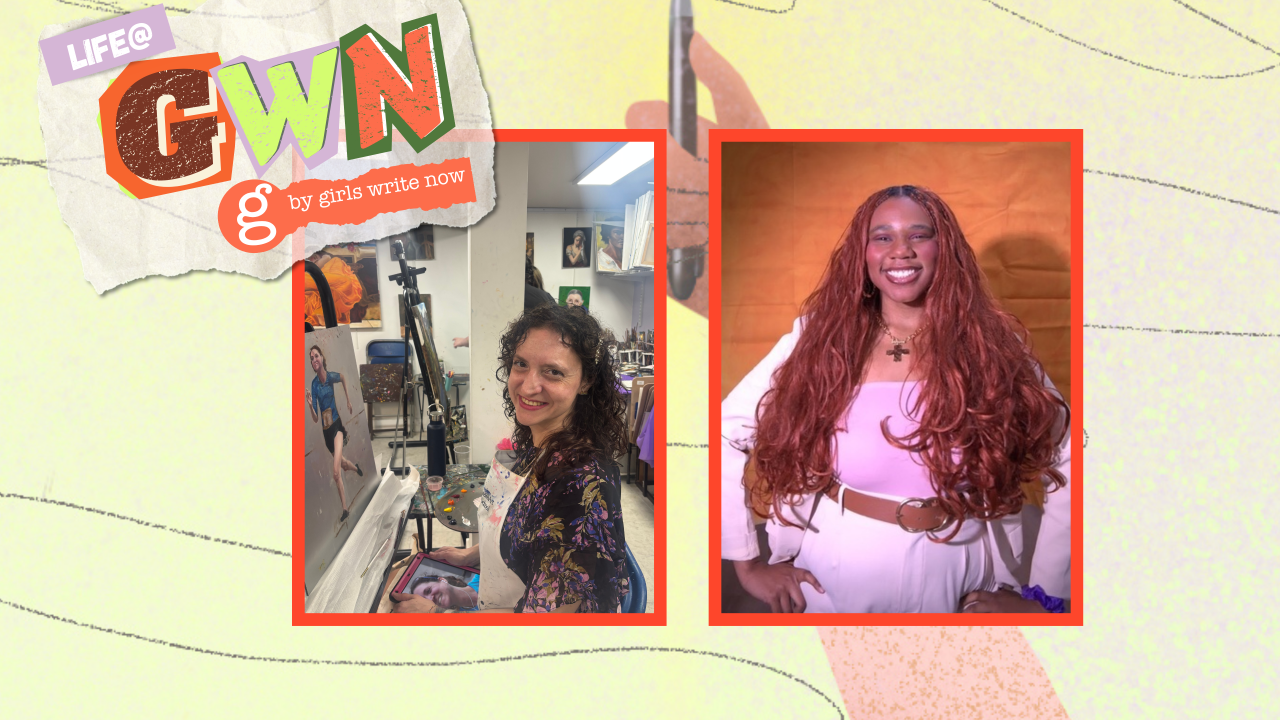
“Limon Colorado, 1900” in The Collective Community Arts Center, Our Journeys to Now
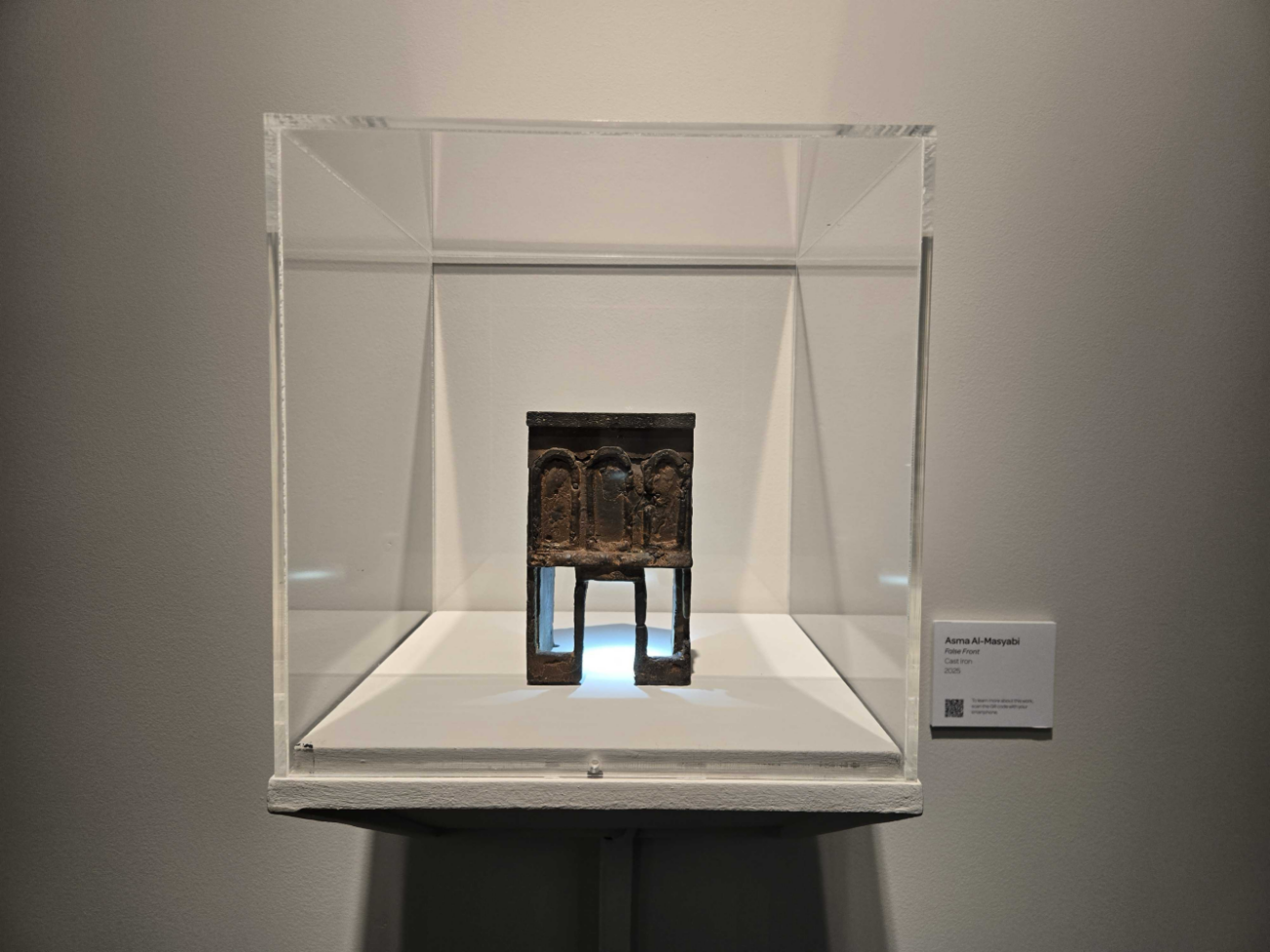
“False Front” in the Arvada Center for the Arts and Humanities, Tilting West
What is the most important lesson you’ve learned from a difficult experience?
I would say one of my biggest fears in life is regret. For example, when I was studying creative writing, I loved my professors, my peers, and their work, but I always had a fear of chatting with them, which sounds ridiculous to say out loud! So I graduated, and I don’t think I ever went to a professor’s open hours. Looking back on that, I really wish I took full advantage of the opportunity I had. So it’s lessons around courage, talking with someone or doing something that you’re not used to.
How do you think your undergraduate studies in Creative Writing have prepared you to write after graduation?
It is such a weird place to be, to not be forced to write or to make art. I took a pretty long break, interspersed with some writing. But then my natural love of it came back. It’s like when you get that itch to want to do something, not that you have to do it.
I’m grateful to my professors because they were really honest with us. They told us, “Yeah, maybe you’re writing one good poem a week, but once you graduate, when you don’t have deadlines and a whole room of peers reading your work, it becomes more difficult. So make it a practice now.”
When you sit down to write, what does your typical writing process look like? Do you have a routine that you follow?
I like to take my notebook, scribble a bunch of things halfway through, and if there’s a line I really like, follow up on that later. Basically, I could sum up my writing process as scribbling.
In your poetry on the GWN page, your structure is unique. Often, young poets find it challenging to tackle structure in poetry—do you have any advice to share with them?
I think structure in poetry is really cool and interesting. Every word that finishes a line, you’re messing with people’s experience of it. Once you move those words on a page, you’re finding a different way to communicate, visually reinforcing or challenging through the words’ placement.
One of my professors told me that you want to make sure your form is doing something, answering the question, “Why?” “Why do I keep coming up with this image in a poem? What is it serving?”
Do you get writer’s block? If so, how do you deal with it?
Reading, and getting back into that space of thinking about words, helps creatively spark my love of writing again. Also, I don’t expect that anything I write is going to be good. I have to get all of my really boring thoughts onto the page and out of my head.
Aside from necessities, what one thing could you not go a day without?
A cup of tea. I’m not a coffee drinker, so it’s always a hot cup of Earl Grey in the mornings.