
Girls Write Now Media
Anthologies
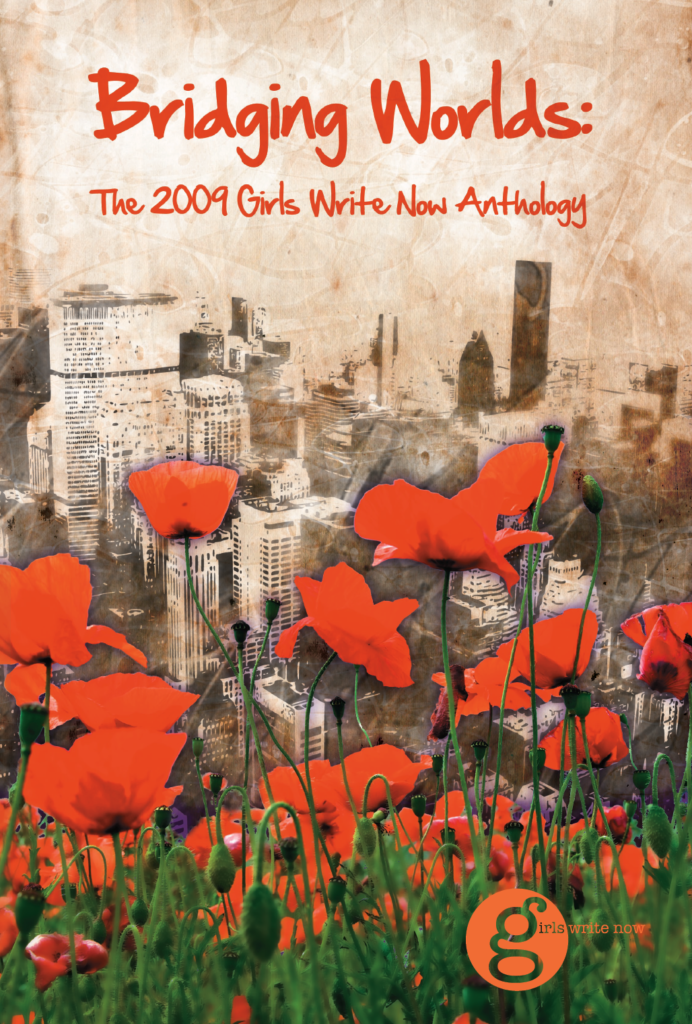
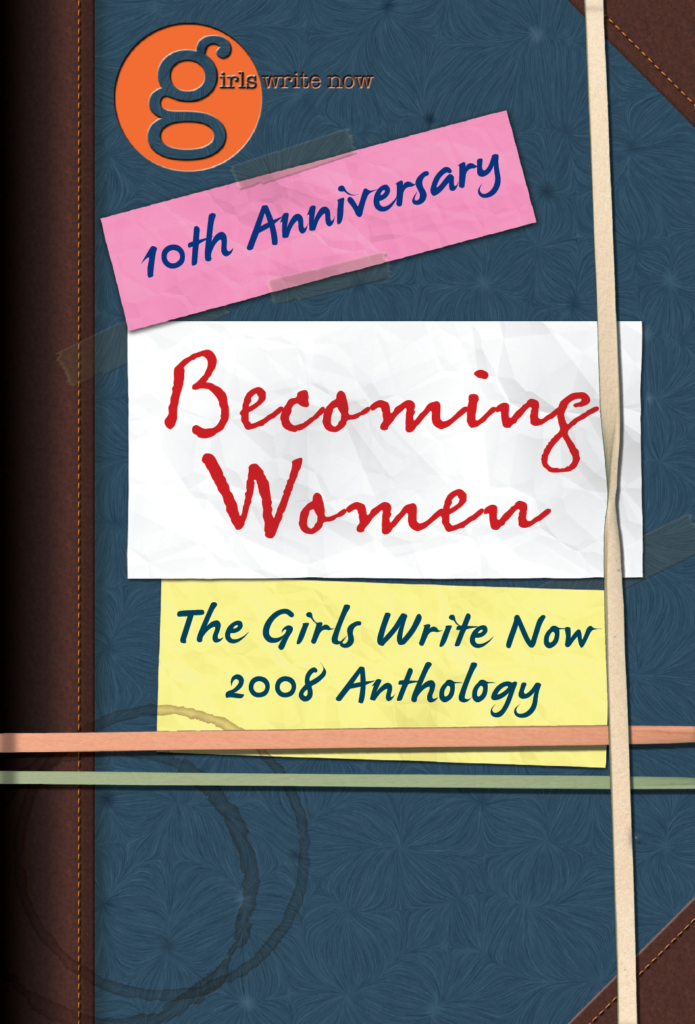
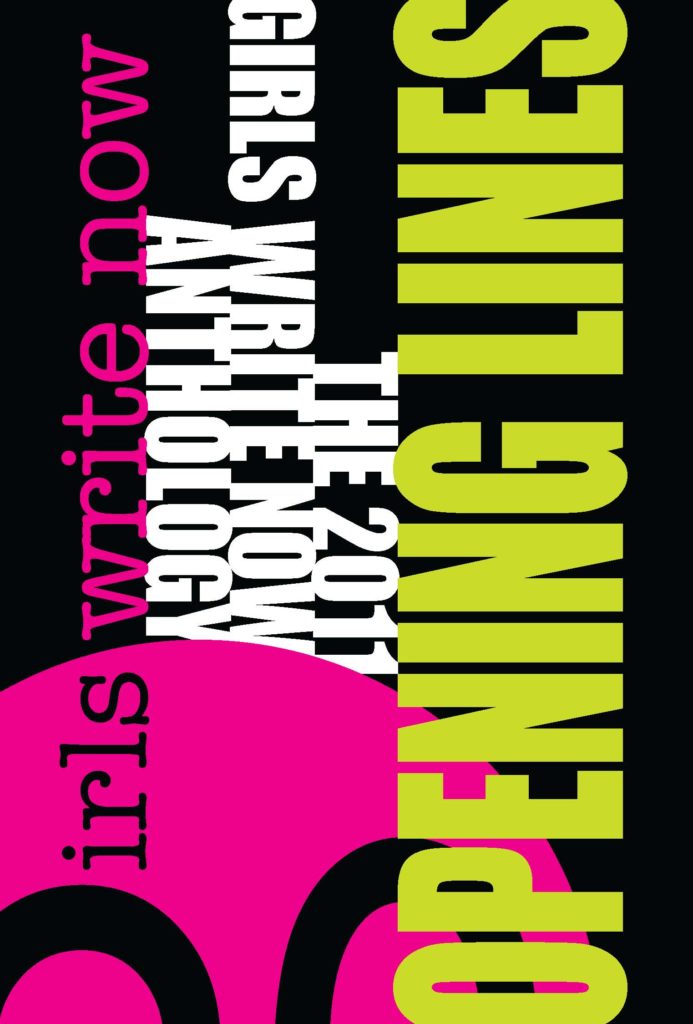
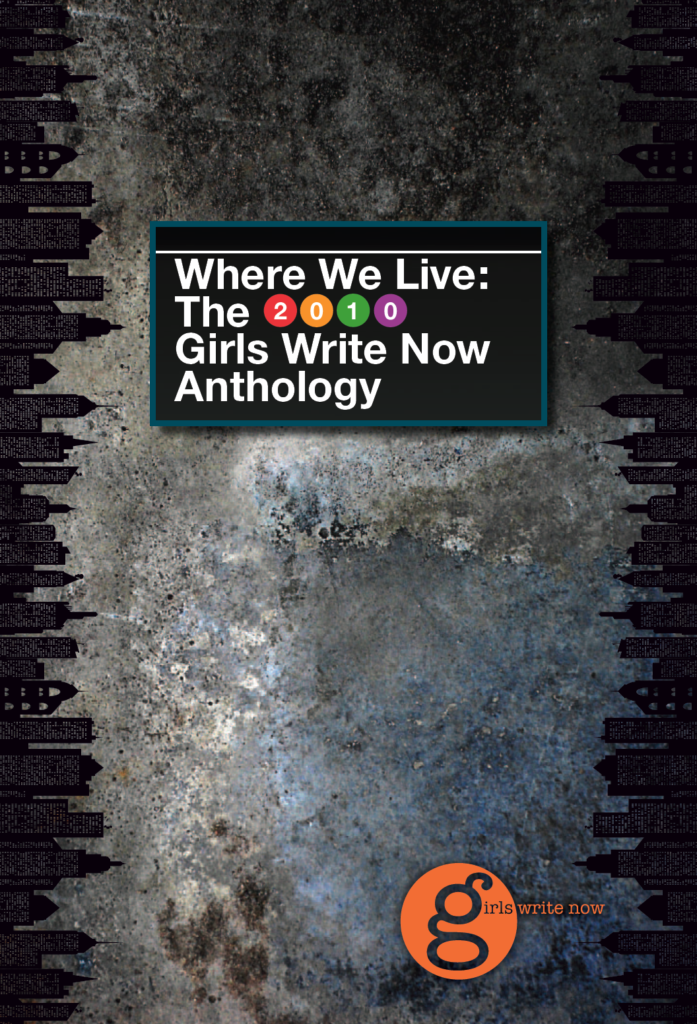
Each year, Girls Write Now publishes a print anthology showcasing the work of today’s next-generation voices. These books showcase stories that surprise us and stretch our understanding of the world and ourselves. Our anthologies have received praise from Gloria Steinem, Amanda Gorman, Roxane Gay, Meg Wolitzer, Emily St. John Mandel, Janet Mock, and countless others. Says People magazine, “It’s hard not to be inspired.”


Metamorphosis: Girls Write Now 2026 Anthology
To truly understand Girls Write Now, zoom out and observe a complex, multi-dimensional organism, constantly and consciously in the making. Its contours come into focus, and each word dissolves and evolves: Girls becomes a spectrum across gender, race, age, and poverty; Write spans genres, media, and disciplines; Now stretches across three decades and counting. Resolved into its component parts—G. W. N.—its very being refracts: a nonprofit, but also an incubator of art, a developer of professions, a community that heals. Made for writing and mentoring—and, in turn, for training, curating, and fortifying coalitions of artists, educators, and leaders. Rooted in New York City, branching outward: statewide, national, even global. Dubbed the Collaboratory: intimate, versatile, cutting-edge; designed to move with AI, a volatile marketplace, and our own psyches. For Girls Write Now, Metamorphosis is not only the title and theme of this anthology—it is a state of being.



Our Digital Story Collection
Our Digital Story Collection

Flicker Out
When I sat down one November evening and stared at the empty Google Doc on my laptop for 15 minutes straight, I knew I was experiencing burnout. Drafting this piece was quite meta: I struggled to write about my struggle to write.


exist(ing)
My piece was inspired by an article in ZORA, a publication by and for women of color, entitled “Black Women Are Driving a New R&B Resistance” by Mary Retta. Black women's identities have been degraded for so long that in attempts to uplift us, we're portrayed as deities instead of human.


It Runs In My Family
My family means everything to me, so I’m giving back to them when I succeed. This piece reflects me giving back by making them proud, and by rewriting the course of my family history.


The Journey
My piece is about my journey traveling across the world to build my confidence in the science world. I was taught to make history in breaking the stereotypes of women in STEAM (Science, Technology, Engineering, Arts, and Math).


Flower Crowns
This is a scene from a novel that I've been working on forever. Anna is saying goodbye to her best friend—who has died trying to save her—and learning about grief and the past from an older woman.


Freedom
A big part of women “taking their place in history” involves them stepping outside their comfort zones and being free to express themselves in a patriarchal society. My poem explores this freedom and the mixed emotions that come with this feminist evolution.


Distorted Atmosphere
This poem tumbled out of me on a night when I felt lost and confused in my own mind. This is a compilation of my insecurities and social anxieties; I wanted to write this piece for anyone who needs a reminder that they are not alone.


¡DAVID!
“Rapunzel dear, where are—oh hello, my dear. He is going to be here in ten minutes.”


Epiphany
Taking Our Place in History means making contributions to solve societal problems and being accountable for one's actions.


Within Limits
To take our place in history, we must also take a place within ourselves by being conscious of how we feel. Mental health is one of the least discussed yet most prevalent parts of our past, present and future, as our mentality about ourselves and about the world, defines us.

Meet Our Author Community


